Get expert wisdom tooth removal in Gurgaon at RNC Dental for painful, impacted, or problematic wisdom teeth. Under the expert care of Dr. Kanishka Dua, we provide safe and personalized treatment to relieve discomfort and support better oral health.
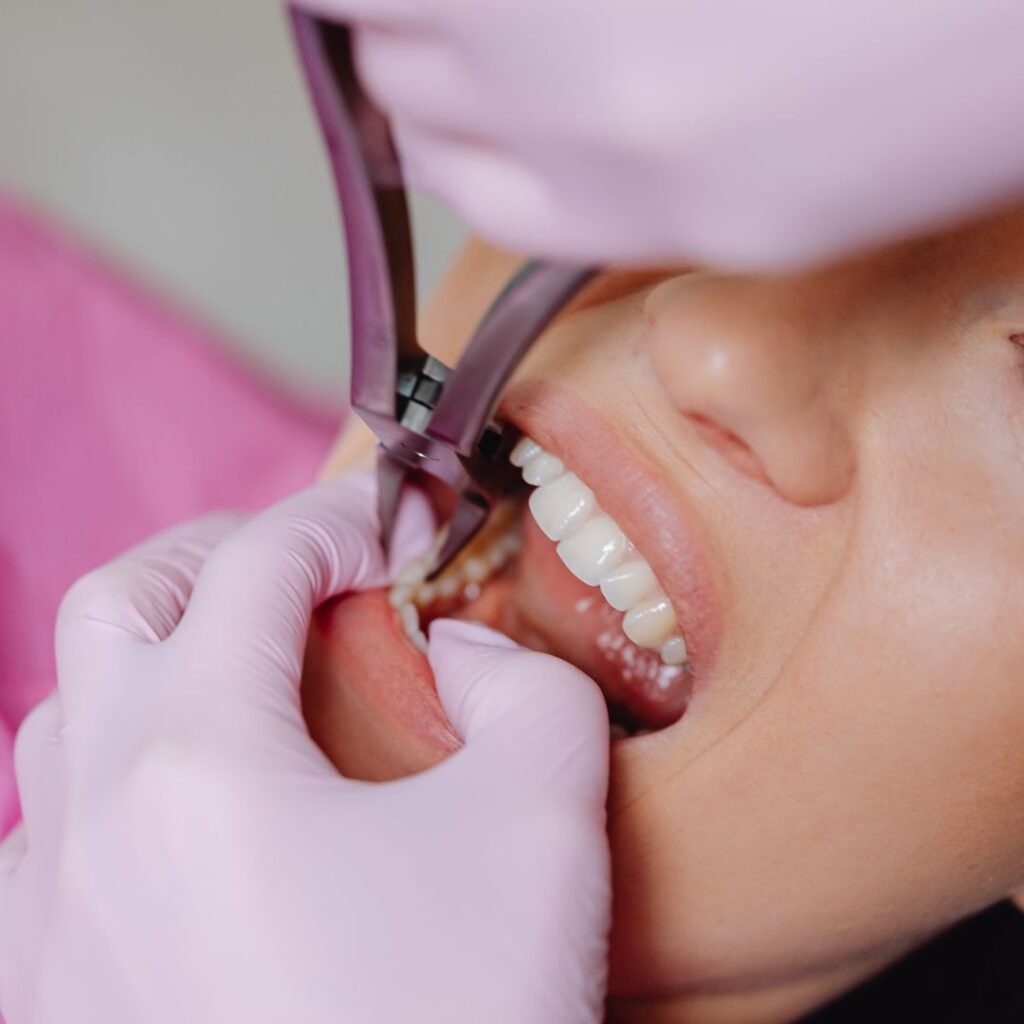
Wisdom teeth are the last set of permanent teeth to develop, usually appearing between the ages of 17 and 25. While some people have enough space for their wisdom teeth to grow normally without causing problems, others may experience pain, swelling, infection, or difficulty cleaning the area.
When a wisdom tooth is impacted, partially erupted, damaged, or causing problems for the surrounding teeth and gums, removal may be recommended. At RNC Dental, Gurgaon, Dr. Kanishka Dua provides personalized wisdom tooth removal based on the position of the tooth, your oral health, and your individual needs.
Not every wisdom tooth needs to be removed. However, your dentist may recommend extraction when a wisdom tooth is causing or is likely to cause oral health problems.
Common reasons for wisdom tooth removal include:
A wisdom tooth may not have enough space to erupt properly and can become trapped beneath the gum or bone. It may grow at an angle and put pressure on the surrounding teeth, leading to pain and discomfort.
Wisdom teeth that do not have sufficient space may place pressure on neighbouring teeth. This can make cleaning more difficult and may contribute to discomfort or other dental problems.
Partially erupted wisdom teeth can create areas where food and bacteria become trapped. This can increase the risk of gum infection, swelling, bad breath, pain, and a condition called pericoronitis.
Because wisdom teeth are located at the back of the mouth, they can be difficult to brush and floss properly. This can make them more vulnerable to cavities and decay.
In some cases, an impacted wisdom tooth may be associated with a cyst or other changes around the tooth. Regular dental evaluation can help identify such problems early.
The wisdom tooth removal procedure depends on whether the tooth is fully erupted, partially impacted, or completely impacted. At RNC Dental, the treatment begins with a detailed assessment to ensure the procedure is planned safely.
Dr. Kanishka Dua will examine your teeth, gums, jaw, and symptoms. Dental X-rays may be recommended to understand the position of the wisdom tooth and its relationship with surrounding teeth, bone, and important anatomical structures.
Before extraction, the treatment procedure and aftercare instructions will be explained to you. Local anesthesia is commonly used to numb the area and keep you comfortable during the procedure. Depending on the complexity of the extraction and individual circumstances, additional sedation options may sometimes be considered.
For a straightforward extraction, the tooth can often be removed directly. If the wisdom tooth is impacted, a small incision may be made in the gum to access the tooth. In some cases, the tooth may be divided into smaller sections to allow for easier and safer removal.
After the tooth is removed, the extraction area is carefully cleaned. Stitches may be placed when necessary, and dissolvable stitches may be used depending on the procedure.
You will receive detailed instructions on caring for the extraction site, managing discomfort, maintaining oral hygiene, and protecting the blood clot during the initial healing period.
Recovery time can vary depending on the complexity of the extraction and your individual healing process. Following your dentist’s instructions can help support a smooth recovery.
Mild pain, swelling, and tenderness are common after wisdom tooth extraction. Ice packs and medications recommended by your dentist can help manage these symptoms.
Choose soft, easy-to-chew foods during the first few days. Avoid very hot, hard, crunchy, or spicy foods if they irritate the extraction area.
Continue brushing your teeth carefully while avoiding direct contact with the extraction site. Your dentist may also recommend gentle rinsing with warm salt water after the initial period, depending on your procedure.
Rest after the procedure and avoid strenuous exercise for the period recommended by your dentist. Excessive physical activity too soon may increase bleeding or interfere with healing.
Attend any recommended follow-up appointments so your dentist can monitor healing and address any concerns during your recovery.
Is Wisdom Tooth Extraction Painful?
During the procedure, local anesthesia is used to numb the area, so you should not feel sharp pain during the extraction. Some soreness, swelling, or discomfort is normal after the procedure and can usually be managed with the medications and aftercare instructions provided by your dentist.
The time required depends on the position and complexity of the wisdom tooth. A simple extraction may be relatively quick, while an impacted wisdom tooth may require more time.
Most patients can return to normal daily activities relatively quickly, although complete healing of the extraction site takes longer. Recovery varies depending on the complexity of the extraction and individual healing.
Depending on your oral health, the position of the wisdom teeth, and your treatment plan, multiple wisdom teeth may sometimes be removed during the same appointment. Your dentist will recommend the most appropriate approach after an examination.
You should consider a dental evaluation if you experience persistent pain, swelling, difficulty opening your mouth, repeated gum infections, bad taste or discharge around the wisdom tooth, or difficulty cleaning the area.
If your wisdom tooth is causing pain, swelling, infection, or other dental problems, a timely evaluation can help determine whether removal is necessary. Dr. Kanishka Dua at RNC Dental, Gurgaon provides personalized care and treatment planning to help make wisdom tooth removal as safe and comfortable as possible.

Experience the future of dentistry with us—where innovation meets excellence for your perfect smile!
Address:- OFFICE SPACE 5, Sixth Floor, Block 1, M3M URBANA, &, Golf Course Extension Road, Ramgarh, Sector 67, Gurugram, Haryana 122102
Copyright © 2025 All Rights Reserved.