Get expert TMJ treatment in Gurgaon at RNC Dental for jaw pain, jaw stiffness, headaches, and other jaw joint problems. Under the expert care of Dr Kanishka Dua, our team provides personalised Dr treatment to help relieve pain, improve jaw movement, and restore your overall oral health.
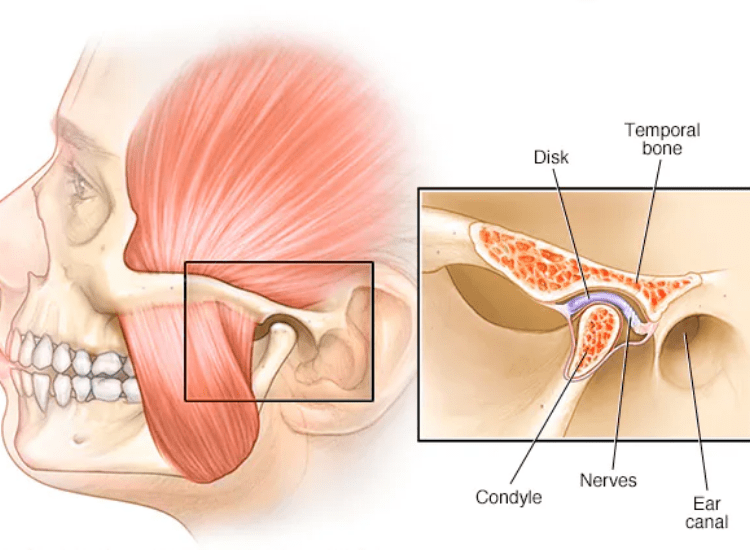
TMJ Treatment in Gurgaon
Temporomandibular Joint Disorder (TMD), commonly referred to as a TMJ disorder, affects the jaw joints and the surrounding muscles and tissues. The temporomandibular joints connect the lower jaw to the skull and allow essential movements such as chewing, speaking, swallowing, and opening and closing the mouth.
When these joints or the surrounding muscles become irritated, strained, or inflamed, they can cause jaw pain, facial discomfort, headaches, jaw stiffness, and difficulty with normal jaw movement. The symptoms and severity of TMJ disorders can vary from person to person.
At RNC Dental, Gurgaon, Dr. Kanishka Dua provides personalized TMJ treatment based on the patient’s symptoms, jaw function, and underlying cause. A proper evaluation can help identify the source of discomfort and determine the most suitable treatment approach.
TMJ disorders can develop due to several factors. In some patients, more than one factor may contribute to jaw pain and dysfunction. Common causes include:
TMJ symptoms can vary depending on the underlying cause and severity of the condition. Some people experience occasional discomfort, while others may have persistent jaw pain or difficulty with normal jaw movement.
Common symptoms of TMJ disorders include:
If you experience persistent jaw pain or difficulty moving your jaw, a professional evaluation can help determine whether TMJ dysfunction may be contributing to your symptoms.
Accurate diagnosis is an important part of effective TMJ treatment. At RNC Dental in Gurgaon, Dr. Kanishka Dua evaluates your symptoms, jaw movement, and oral health to understand the possible cause of your discomfort.
Depending on your condition, the evaluation may include:
A detailed assessment helps determine the underlying cause and whether conservative or more advanced TMJ treatment is appropriate.
There is no single treatment that works for every TMJ disorder. Treatment is usually selected according to the cause, symptoms, severity, and individual needs of the patient.
At RNC Dental, Gurgaon, TMJ treatment may include:
The goal of TMJ treatment is to relieve discomfort, improve jaw function, and help patients return to comfortable everyday activities such as eating and speaking.
At RNC Dental, we understand that every TMJ condition can have different causes and symptoms. Dr. Kanishka Dua takes a personalized approach to diagnosis and treatment, focusing on identifying the underlying factors contributing to your jaw discomfort.
With a detailed evaluation and an individualized treatment plan, our aim is to provide effective care for TMJ-related jaw pain and help improve your comfort, jaw movement, and overall oral health.
We always take care of your smile
(+91) 9871701802

Experience the future of dentistry with us—where innovation meets excellence for your perfect smile!
Address:- OFFICE SPACE 5, Sixth Floor, Block 1, M3M URBANA, &, Golf Course Extension Road, Ramgarh, Sector 67, Gurugram, Haryana 122102
Copyright © 2025 All Rights Reserved.